API CORAIL
Restoring the reef and strengthening island self-sufficiency
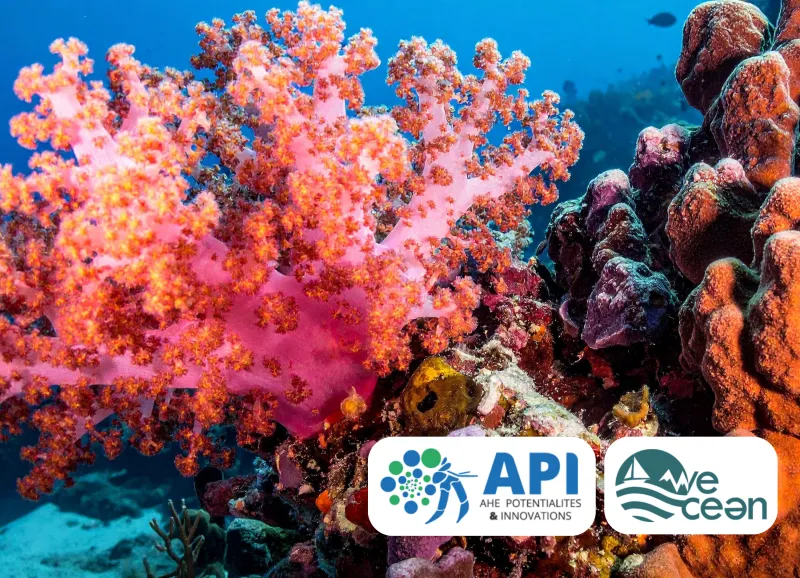
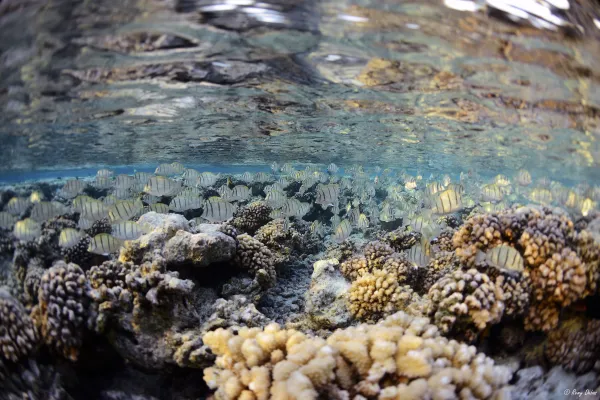
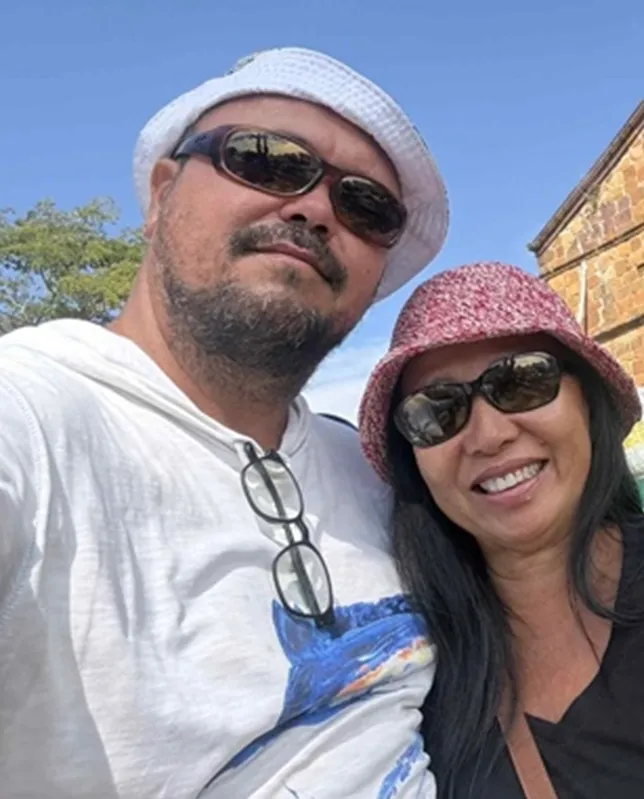
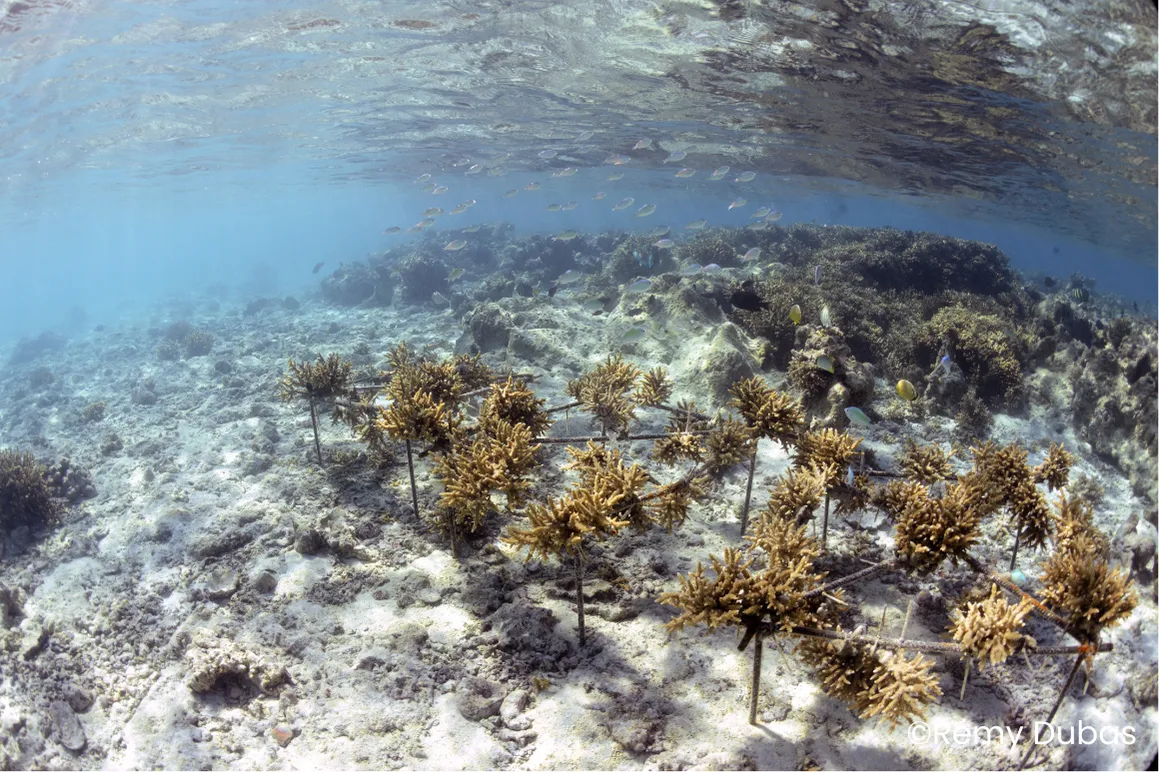
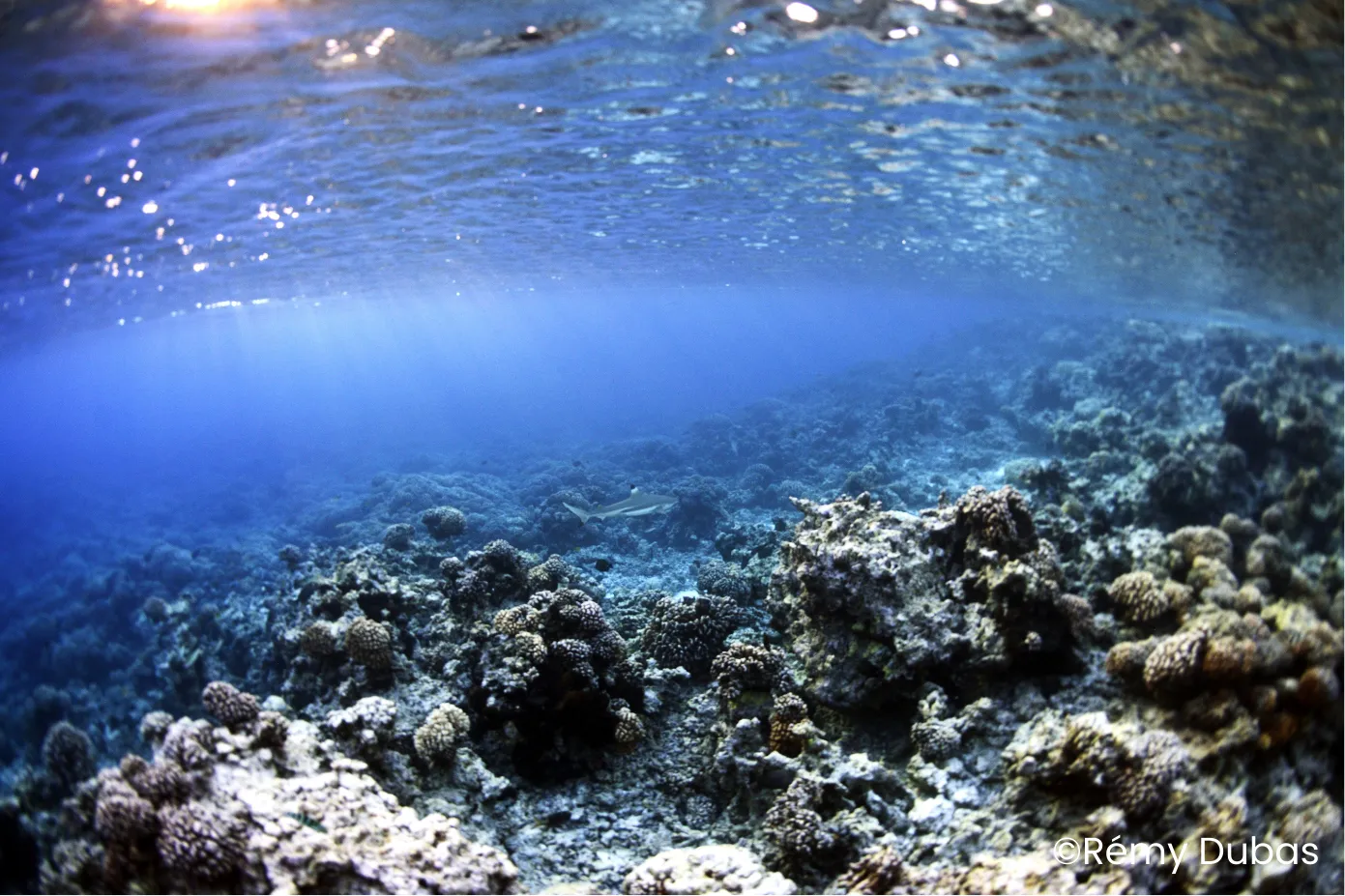
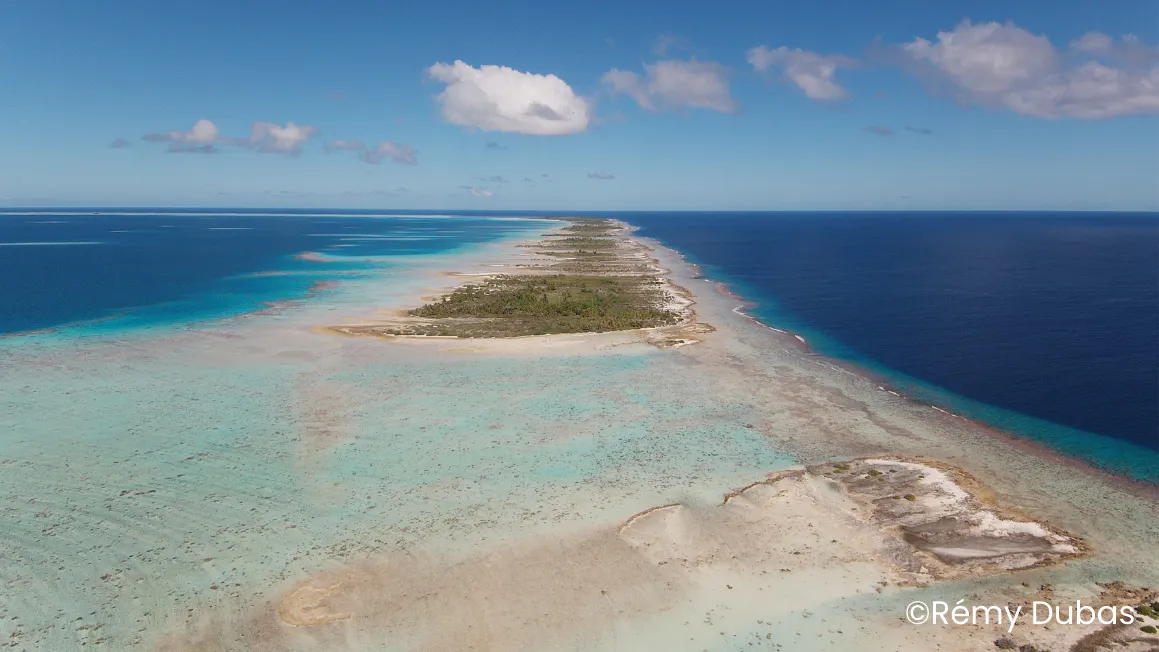
Led by AHE PEARLS COMPANY in the Tuamotu Archipelago, the API CORAIL project is part of an active effort to preserve the Ahe lagoon. Noelline and Pascal, committed pearl farmers, have observed a worrying decline in fish populations over the past several years, linked to the gradual degradation of coral reefs. But the impact goes beyond fish: this degradation is seriously affecting the long-term viability of habitats for marine species, particularly molluscs such as giant clams (Tridacna), black-lip pearl oysters (Pinctada margaritifera), trochus (Trochus) and tritons (Charonia tritonis). Drawing on their strong local roots and in-depth knowledge of the marine environment, they decided to take concrete action by launching a coral reef restoration programme covering 500 m².
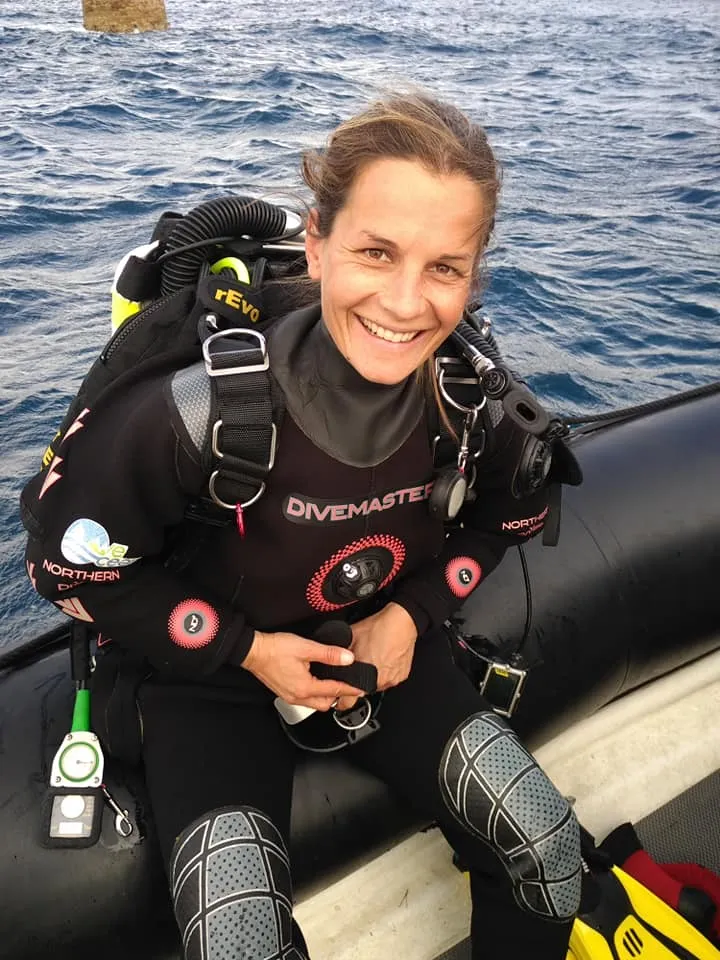
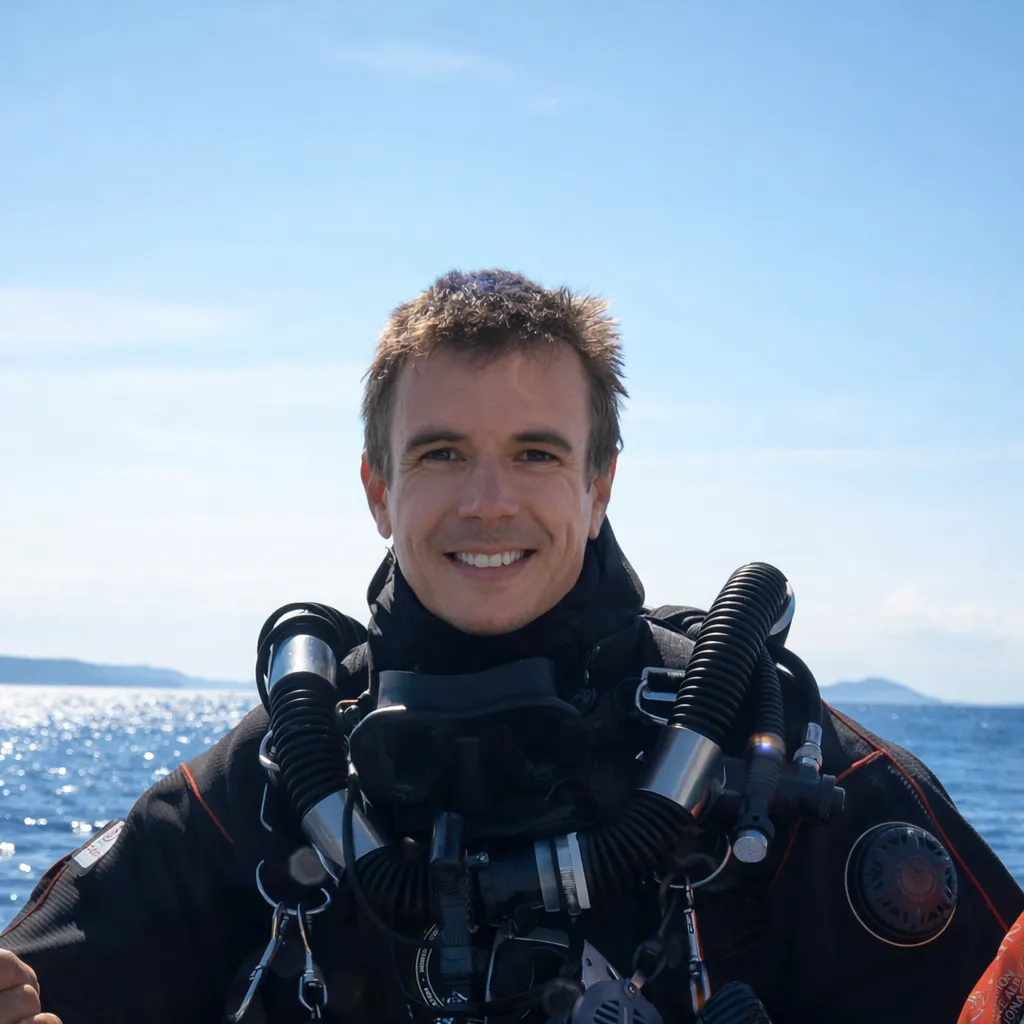
In partnership with WeOcean, API CORAIL focuses on regenerating coral attached to tables as a substitute for the coral substrate, alternating with tables enhanced using Mineral Accretion Technology (MAT) to promote coral regeneration and strengthen ecosystem resilience. The project also aims to create an Educational Marine Area, designed to raise awareness among local residents and schoolchildren about environmental issues. Through this initiative, the team seeks to combine innovation, knowledge sharing and community engagement to foster sustainable development adapted to island realities.
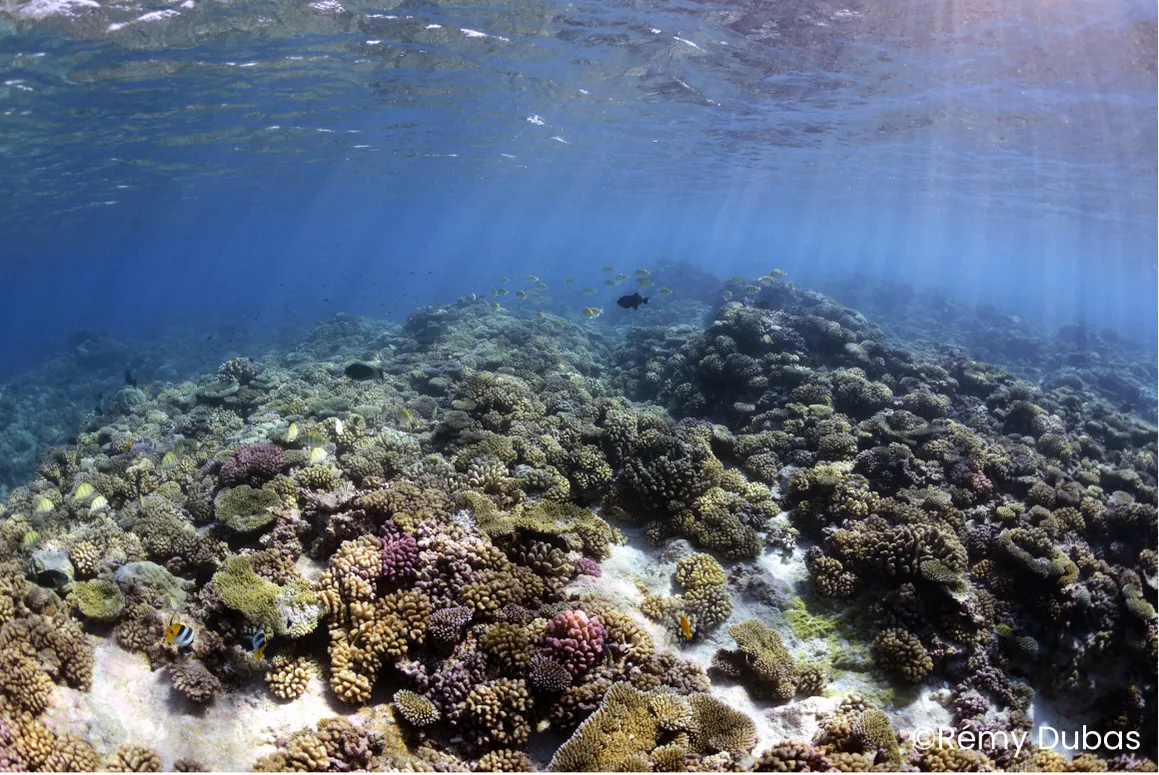
This initiative was born from a worrying observation: year after year, biodiversity in the Ahe lagoon is declining, with fish becoming increasingly scarce and coral reefs showing visible signs of degradation. Faced with this reality, API-ISLAND CORAIL, led by AHE PEARLS COMPANY in the Tuamotu Archipelago, aims to take concrete action to restore 500 m² of reef and strengthen the resilience of the ecosystem.
The project is driven by both environmental and social motivations: preserving a resource that is essential to local life, passing on a culture of marine conservation to younger generations, and fostering greater scientific knowledge of the marine environment.
Support from the AETHER Fund will help accelerate the project’s technical implementation, strengthen scientific monitoring and fully develop the Educational Marine Area, ensuring that the project becomes firmly and sustainably rooted in the local community.

Noelline & Pascal
Founders of the project API Corail
Gallery

Supported by the AETHER Fund for Future Generations.

Discover the latest AETHER projects
eXo membranes
SE'nSE 2025 Laureate
Water filters for cleaner water and a circular future
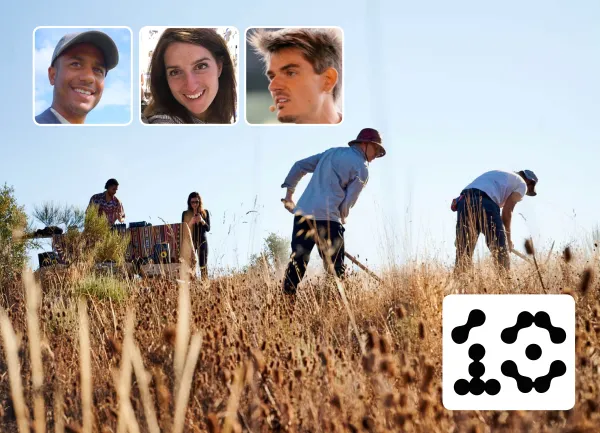
Ten Lives
SE'nSE 2025 Laureate
Restoring Europe’s water cycles through music festivals
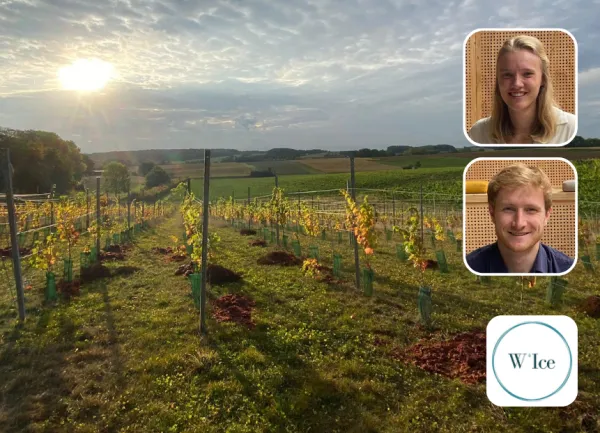

W’Ice
Prototyping the Future 2023 laureate (Vsycle), Shinju 2025 laureate, Low Carbon Solutions 2025 laureate
Sprayable biological biostimulant to protect flowers and vineyards from frost (Belgium)
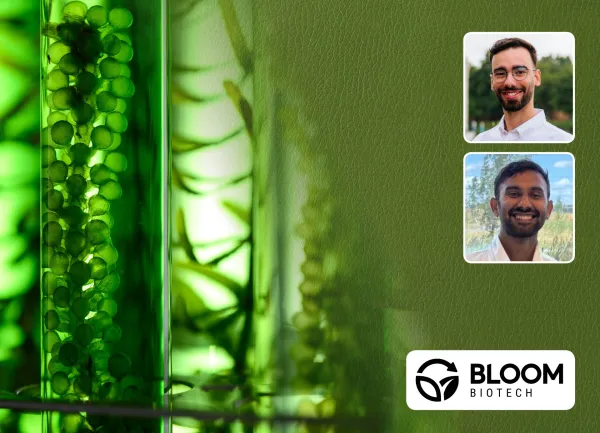
Bloom Biotech
Low Carbon Solutions 2025 Laureate
Sustainable textiles made from microalgae
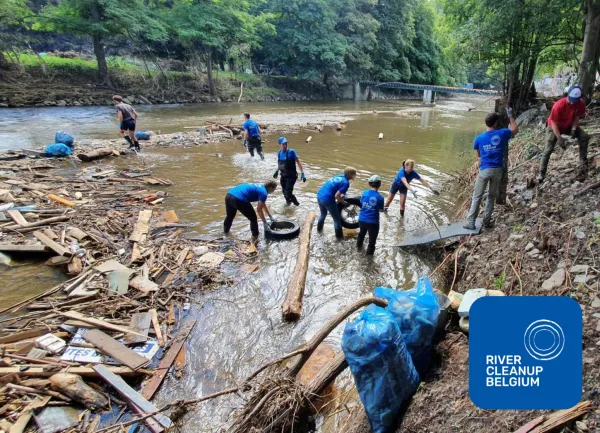
River Cleanup
AETHER 2025 Laureate
Drones and AI to accelerate river clean-up
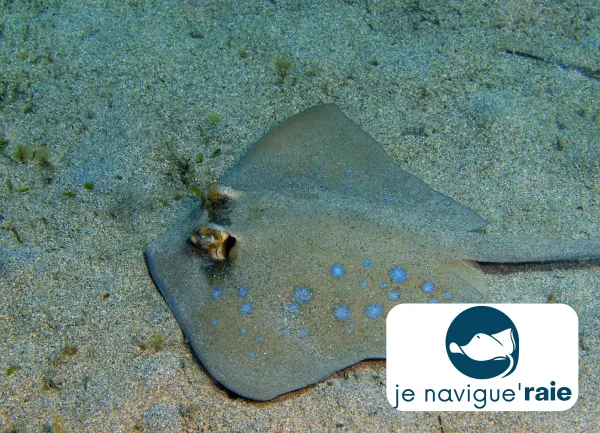
Je navigue’RAIE
AETHER 2025 Laureate
Studying and protecting Mediterranean rays and sharks by sailboat
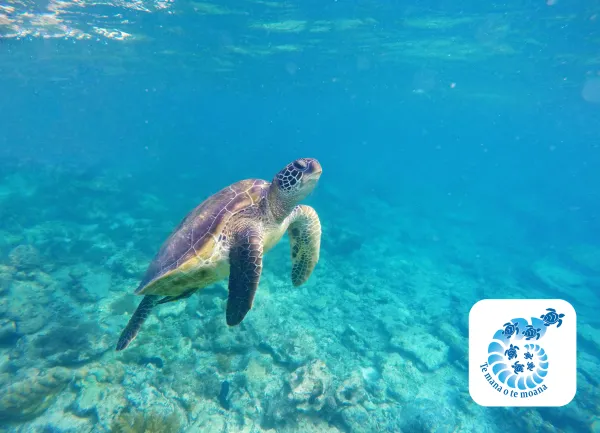
HONU ITI
AETHER 2025 Laureate
Protecting green sea turtles in French Polynesia through innovative scientific monitoring
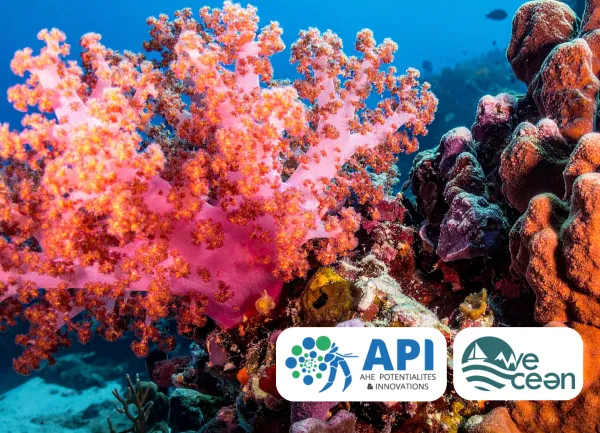
API CORAIL
AETHER 2025 Laureate
Restoring the reef and strengthening island self-sufficiency
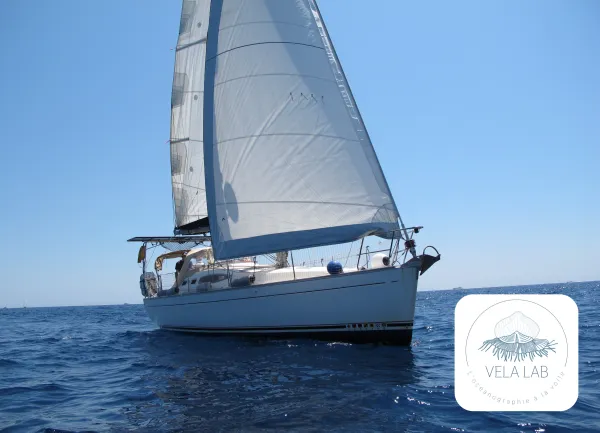
Vela Lab
AETHER 2025 Laureate
Advancing oceanographic research through sailing boats